
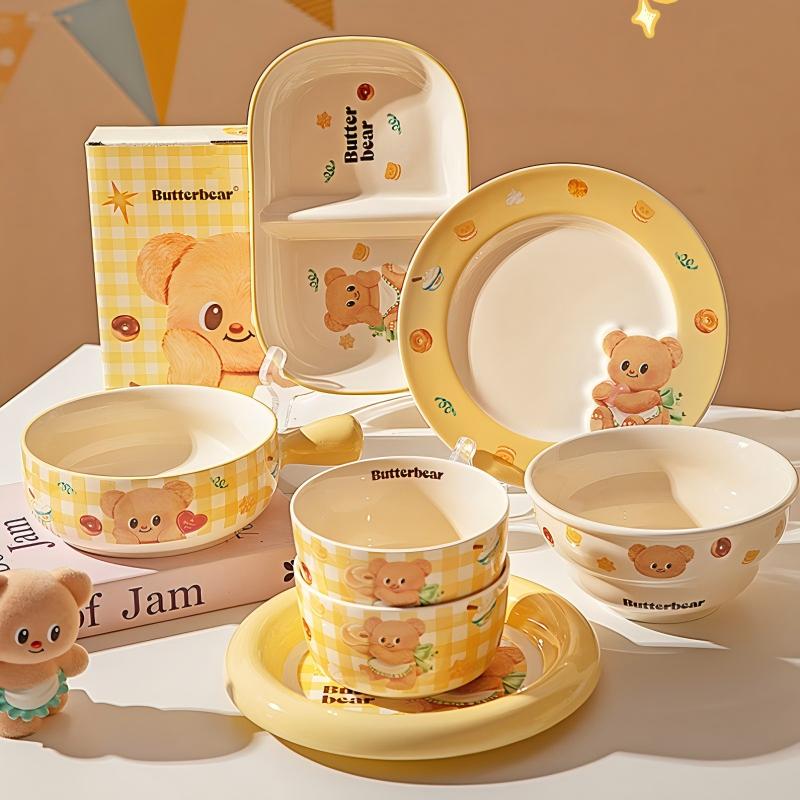
Ceramic bowl
The ceramic bowl is the oldest and most enduring food container in human civilization. Beyond being merely a practical vessel, it is a convergence of tactile sensation, aesthetics, ritualism and culture. It serves as the fundamental medium that connects daily meals with the essence of life.
Core value: The container of functions and emotions
Unreplaceable physical characteristics:
Stability: Chemically stable, it does not release harmful substances and does not absorb odors. It is the fundamental safety foundation for storing food.
Thermal insulation: The thicker the tire body, the better the insulation performance, which helps to maintain the appropriate temperature for the food.
Touch and weight: From the light and agile to the heavy and smooth, different textures convey different dining moods – light bowls suggest elegance, while heavy bowls suggest stability.
The carrier of aesthetics and spirit:
It is a silent sculpture on the dining table. Its shape, glaze color and texture directly define the visual tone of the table, making it both “tableware” and “artwork”.
Selection of styles: Beyond “a single bowl”
Combination of basic sets and individual items:
Prepare a set of plain-colored basic bowls (such as white porcelain, 6 pieces) for daily use and entertaining guests.
Collect a few bowls with distinct styles and use them in combination according to the food, mood or season to add more fun to your life.
Match between size and function:
Bowls/Salad Bowls (over 6 inches): They should be deep and wide enough.
Rice/ dessert bowl (4-5 inches): Moderate in size, good at retaining heat and maintaining warmth.
Dipping/sauce bowl (<3 inches): Compact and elegant.
Details of the process and safety:
Glaze: Prefer glazes with underglaze colors or overglaze colors without lead cadmium leaching, to ensure food safety.
Microwave and Dishwasher: Ensure that the bottom of the dishware bears the appropriate label. Not all ceramics are compatible.
Gold/ Silver Edge Decoration: Generally not suitable for microwave ovens.
Usage and Maintenance: Extending the lifespan and luster of objects
Gentle Cleaning: Avoid sudden cooling or heating, clean with a soft cloth or sponge, and avoid using steel wool.
Avoid bumps: Ceramics are most sensitive to hard impacts. When stacking, use soft cloth as a cushion in the middle.
Removing tea stains/oil stains: You can use baking soda paste or lemon juice to wipe, and it will easily restore the shine.
Its cultural philosophy: One bowl, one world
A ceramic bowl, holds the connection between heaven, earth and humanity:
Soil (raw material of the earth)
Fire (kiln forging)
Water (glaze and the object it contains)
People (The hands of the artisans and the hearts of the users)
It reminds us that the most ordinary daily activities deserve to be presented in objects that are both aesthetically pleasing and warm; and the sense of ritual in life often begins when we hold a good bowl in our hands, with the comfort and joy felt in our palms.
In summary, a good ceramic bowl is the silent star of the dining table. It is unassuming yet silently defines the tone of a meal, preserves the temperature of the food, and warms the palm and heart of the person holding the bowl. It is a perfect blend of functionality, aesthetics, and emotion, and is one of the most worthwhile “infrastructure” investments in life.