
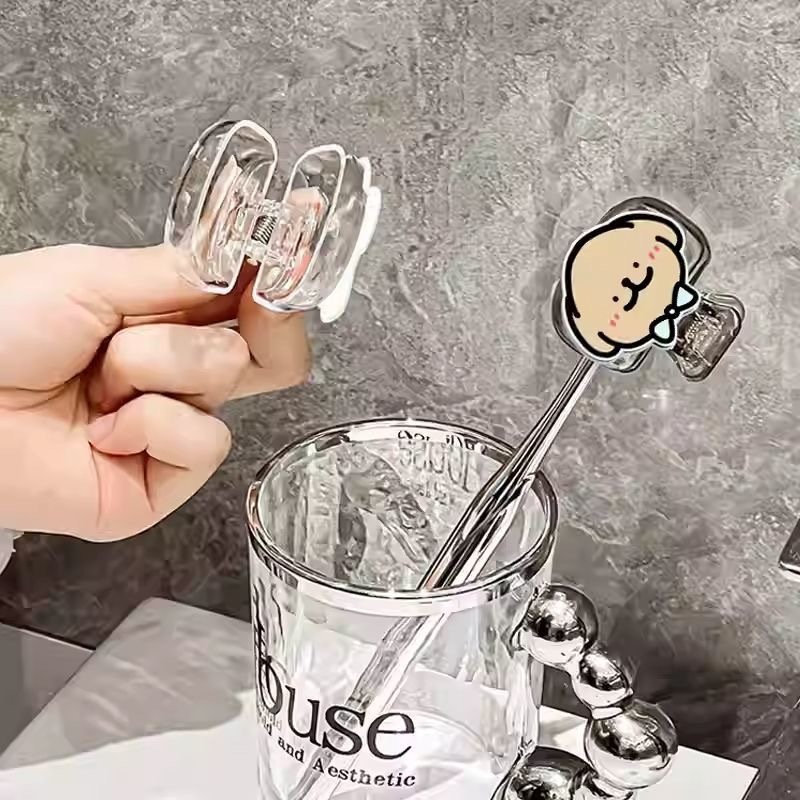
Toothbrush case
I. Core Value: Why is it necessary?
Isolating pollution, safeguarding health
Dust and bacteria prevention: Prevent dust, mold spores in the bathroom air, and aerosols that may be splashed when flushing the toilet from adhering to the bristles.
Prevent contact contamination: In shared cups at home, prevent the brush heads from touching each other; when traveling, prevent the brush heads from coming into contact with the items inside the luggage.
Insect and damage prevention: Prevent small insects from crawling through, or prevent the bristles from being deformed due to being squeezed by other objects.
Keep dry and inhibit bacteria
Dampness is a breeding ground for bacteria. The protective cover helps the brush head dry faster during storage, especially with the design featuring ventilation holes.
Essential for travel, elegant and portable
Dry and wet separation: Place the unwashed toothbrush in the luggage or toiletry bag to prevent it from wetting other items.
Clean and attractive: Keep the toothbrushes in the bag neat and separate, avoiding any awkward situations.
Prevent accidental contact: Avoid damaging the bristles during transportation or having them contaminated with dirt.
II. Selection Guide: How to Choose Quality Protective Covers?
Evaluation Criteria Preferred Features Reasons and Tips
Material Safety Food-grade silicone > High-quality PP/ABS plastic When in direct contact with food items, it must be non-toxic and odorless, and resistant to high temperatures and easy to clean.
Ventilation Design Must have ventilation holes/vent windows This is crucial! Ensure air circulation to prevent a sealed and humid environment from becoming a “bacterial culture dish”.
Sealing Performance Flip cover/cardlock type > Insert type Good sealing performance (not completely airtight) can effectively prevent dust and splashes, and is convenient to open and close.
Size Fit Designed specifically for electric toothbrush heads or regular toothbrushes When purchasing, pay attention to model matching. If it is too tight, it will damage the bristles; if it is too loose, it will easily fall off.
Cleanliness Convenience Simple structure, smooth inner and outer walls for easy cleaning Regularly rinse with water or wipe with a soft cloth to maintain cleanliness.
Additional Features Standing design, wall-hanging holes, mirror-like small window Enhance convenience and functionality. The standing design is conducive to draining water, and the wall-hanging holes save space.
III. Important Usage Instructions and Misconceptions
✅ Correct Usage:
After using the toothbrush, be sure to dry off the excess water and then put it in the protective cover.
Regularly (suggested once a week) rinse the inside of the protective cover with clean water and thoroughly dry it.
The protective cover is for storage and carrying, not for long-term sealed storage. When used at home, you can let the brush head air dry before putting on the cover, or choose a design with good ventilation holes.
❌ Common Misconceptions:
Avoid leaving it damp for a long time: Do not put the brush head directly into the sealed protective cover until it is completely dry. This is a major hygiene taboo.
Do not replace regular cleaning: The protective cover itself also needs cleaning, and it cannot be “always clean”.
Not completely sterile: Its function is “isolation” rather than “sterilization”. The toothbrush itself still needs to be replaced regularly (every 3 months).
- Precise Matching of Scenes and Crowds
Business Traveler: Essential Items. Choose items that are sturdy, have good sealing performance, and have a hanging strap or a standable design.
Shared/Family Users: Avoid direct contact of the brush head. This is especially suitable for families with children. Different colors can be used for distinction.
People with strong health awareness: Pay attention to the overall hygiene of the bathroom and reduce the risk of cross-contamination.
Electric toothbrush users: The brush heads are more expensive and require special protection. Many brands offer original factory-branded protective covers.
V. Conclusion: What does it represent?
The toothbrush case is a refined manifestation of how the concept of health has expanded from “the act of cleaning itself” to “the storage environment for tools”. It represents:
A non-compromising attitude towards life: Even the most ordinary utensils deserve to be treated properly.
A restrained care: With the least intervention, set up a gentle physical barrier for health.
Ultimately, it is a smart and healthy investment – with extremely low cost and no maintenance effort required, it significantly improves the starting hygiene level of oral care every single day.